
It started with a tremor in his right hand. We didn't think much of it at first — he'd had a tough spell at school, lots of exams, football training. We figured it was tiredness. But the tremor didn't go away.
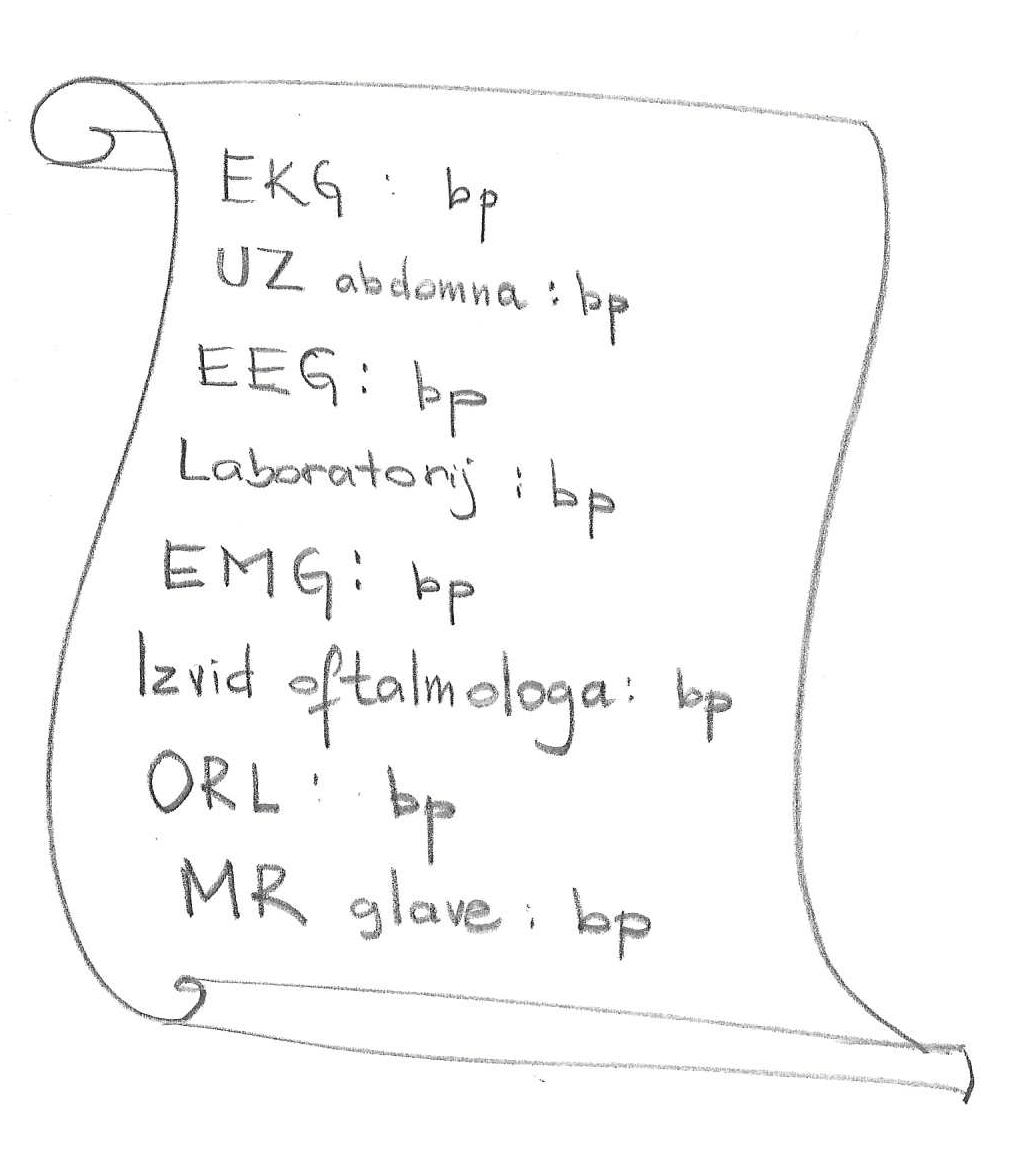
What followed were months of tests. Brain scan, EEG, blood work, a referral to a neurologist. Each result came back normal, and each time I thought: thank God. But deep down, I wasn't relieved. Because the tremor was still there. And gradually other things appeared — episodes where his whole body shook, his legs would give way, he'd lose his balance. He missed so much school he fell two years behind.
When the diagnosis finally came — functional neurological disorder — I cried. Not from sadness. From relief. Someone finally had a name for what was happening to my child. And that name meant: it can get better.
The explanation the doctor gave us changed everything. She said: "His nervous system has learnt an incorrect pattern — like software with a bug. The hardware is fine. We need to help his body relearn." That analogy reached me in a way three years of medical language hadn't managed.
Recovery wasn't linear. There were weeks when he couldn't get out of bed and weeks when we thought we were out of the woods. Physiotherapy was key — and the physiotherapist who never once said "it's all in your head." She treated him like an athlete recovering from an injury. That mattered enormously to him.
He's fifteen now. He's back at school. He sometimes still has bad days, but he knows what they are and what to do with them. What we didn't know at the start — and which nobody told us — is that a diagnosis of FND is not the end of the road. It is, finally, the beginning.