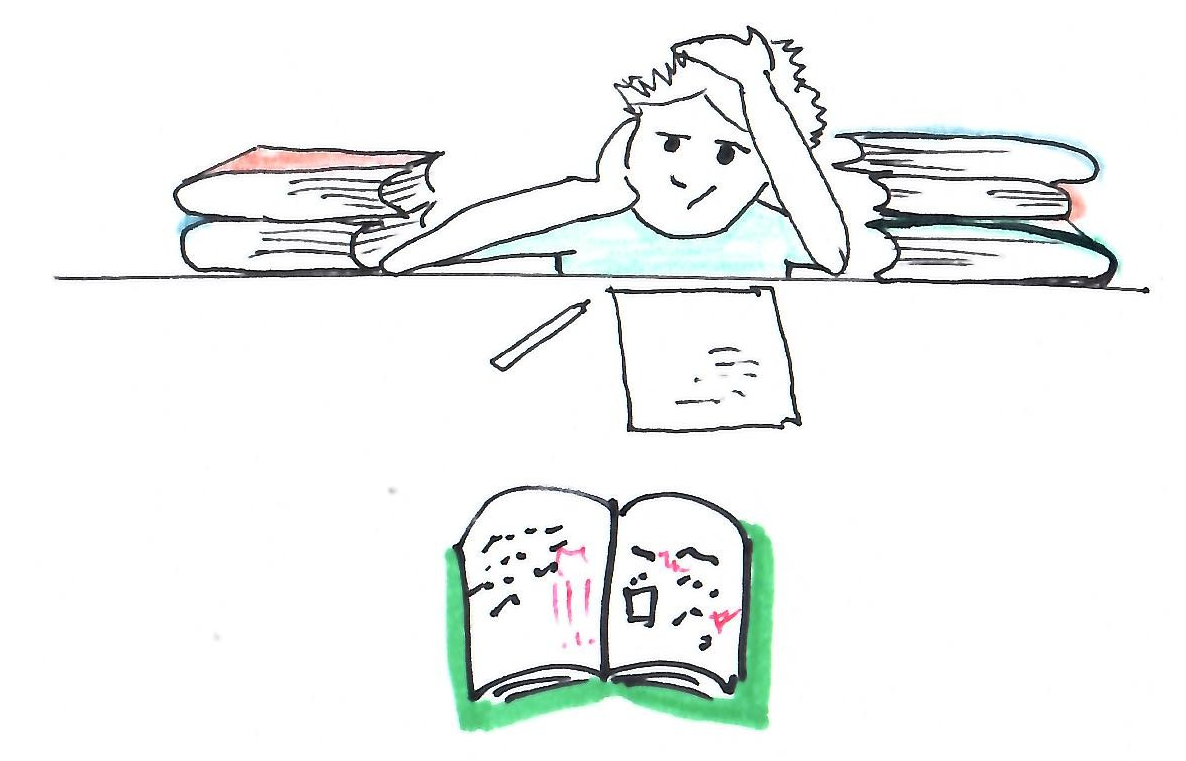
Stress is not just a feeling. It is a biological response that can leave very real traces in the body — especially when it becomes chronic or when a child lacks the means to handle it.
When the brain perceives a threat — whether it is a tiger or an upcoming exam — the hypothalamic–pituitary–adrenal (HPA) axis is activated. The hypothalamus sends a signal to the pituitary gland, which triggers the adrenal glands to release cortisol and adrenaline.
These hormones prepare the body to fight or flee: the heart beats faster, muscles tense, digestion slows, and attention narrows to the perceived threat. This is an extremely effective survival mechanism — but it was designed for short, acute dangers.
Beats faster to pump blood to the muscles. Chronic stress maintains elevated heart rate and blood pressure.
Cortisol releases glucose stores for fast energy. Over the long term this dysregulates metabolism.
Becomes shallower and faster. Hyperventilation under stress can trigger dizziness, pins and needles, and even chest tightness.
Digestion slows (energy goes to muscles). This leads to stomach pain, nausea, constipation — or diarrhoea.
In some children the stress system becomes over-sensitised — as if the alarm is permanently set too high. Small stressors then trigger a response that would normally only arise in real danger. This can occur due to:
Yes. Absolutely. Somatic symptoms caused by stress — headaches, stomach pain, fatigue, dizziness — are just as real as symptoms with a purely physical cause. The body does not distinguish between "psychological" and "physical" pain. The nervous system sends exactly the same signals through the same pathways.
Calling these symptoms "psychosomatic" does not mean they are imagined, exaggerated, or intentional. It means that psychological factors (stress, emotions, mental state) influence the biological functioning of the body — and this is measurably true.
Yes — and they hurt just as much as any other pain.
Children often cannot put emotions into words — especially if they lack the vocabulary for them, if they feel their emotions are not welcome in the family, or if they fear that expressing them would cause problems. The body then takes over and communicates on their behalf.
Stomach pain in the morning, nausea — which disappears once the test is over. The child is not pretending: the stress response really does affect the gut.
Headache that evening or the following day. The body processes the unresolved emotional tension as physical pain.
Fatigue and joint pain — in a child who used to love sport. The body is signalling that the load is too great, or that the motivation has disappeared.
Stomach pain or headaches before school — not because of lessons, but because of a peer conflict or the fear of exclusion. Social pain activates the same neural pathways as physical pain.
Sleep difficulties, fatigue, physical tension — which persist long after the event. The body "remembers" stress even when the conscious mind tries to set it aside.
Occasional somatic symptoms in response to stress are normal and not a cause for concern. It becomes a problem when:
Symptoms appear so frequently and intensely that they significantly limit everyday life — school, friendships, leisure activities
Symptoms persist despite medical investigations that show no organic cause
The child — or the family — has developed patterns of avoidance: the child stops going to school, avoids friends, gives up activities they used to enjoy
The term somatisation comes from the Greek soma (body) — it refers to the process by which psychological distress is expressed through physical symptoms. Somatisation is not a diagnosis: it is a descriptive term for a mechanism that can underlie many different diagnoses.
It is important to understand that somatisation is not:
When a child cannot find words for their inner world, the body takes the floor. Our task — as parents, teachers, physicians — is to listen, and then help the child learn the language of their own experience.