Sleep, movement, nutrition, and screen use are not trivial extras. They directly affect how the nervous system functions — and its resilience under stress.
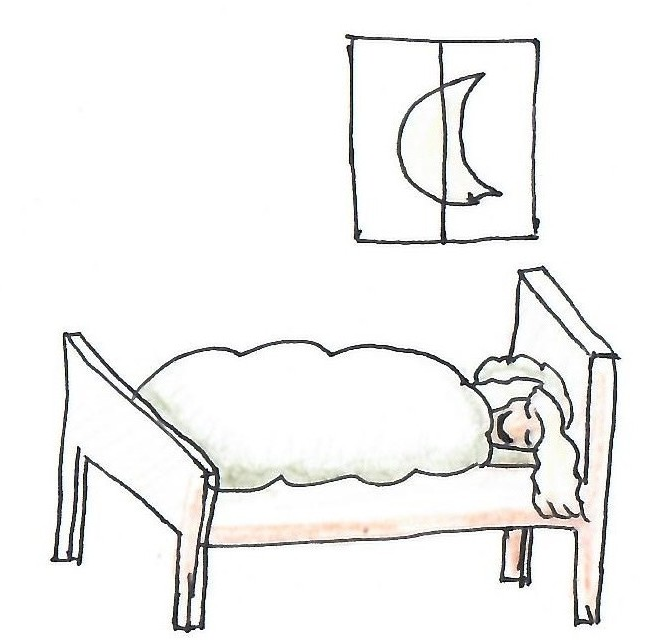
Sleep is far more than rest. During sleep the brain processes experiences, consolidates memory, and regulates the hormonal balance of the stress response. A child who regularly sleeps too little or poorly is more sensitive to pain, less able to concentrate, emotionally less stable — and more prone to somatic symptoms.
Sleep quality is even more important than quantity: irregular bedtimes, waking in the night, and phones in the bedroom are often just as problematic as plain short sleep.
| Age | Recommended hours of sleep |
|---|---|
| 3–5 years | 10–13 hours |
| 6–12 years | 9–12 hours |
| 13–18 years | 8–10 hours |
A fixed wake-up time (even at weekends) has a greater effect on sleep quality than a fixed bedtime. Start with that one change.
Regular physical activity is one of the most researched protective factors for children's mental and physical health. Movement reduces cortisol levels, increases pain tolerance, improves sleep, and strengthens the sense of mastery over one's own body — which is particularly important for children with psychosomatic disorders, who often feel that their body is an unpredictable enemy.
The goal is not sporting achievement. Even a daily 30-minute walk substantially lowers the body's stress response.
A Swedish study involving more than 9,000 fifteen-year-olds found that those who were physically active at least three times a week reported significantly fewer somatic symptoms — including headaches, stomach pain, and fatigue — compared with peers who exercised infrequently.
Food directly affects gut microbiome, inflammation, and the functioning of the enteric nervous system — the "second brain" in the gut. Children with psychosomatic disorders often have digestive symptoms (stomach pain, nausea, constipation), which makes nutrition even more important.
There is no special "psychosomatic diet." The fundamentals are: regular meals, plenty of vegetables and fruit, adequate fluid intake, and avoiding ultra-processed foods.
A proper morning meal stabilises blood sugar and reduces stress reactivity throughout the day.
Fibre feeds gut bacteria that produce neurotransmitters (including serotonin). Five portions a day is the goal.
Even mild dehydration worsens concentration and increases headaches. 6–8 glasses of water daily.
Shared family meals — without phones — are not just about food. They provide daily opportunities for bonding, conversation, and emotional regulation.
Screen time is not a problem in itself — it matters how and when a child uses technology. Prolonged screen use in the evening disrupts the secretion of melatonin and delays sleep. Social media — especially for adolescent girls — is linked to higher rates of anxiety and somatic symptoms.
The goal is not a complete screen ban, but a conscious structure: designated times, screen-free zones, and an agreement about what the child actually does on their device.
Children with psychosomatic disorders often have an underdeveloped ability to recognise and verbalise their emotions — a phenomenon known as alexithymia. Instead of saying "I'm scared" or "I'm sad", their body says it for them: stomach pain, headache, fatigue.
Teaching emotional regulation is therefore not a psychological luxury but a medical necessity. It means giving the child a vocabulary for feelings, creating safe spaces to talk, and showing by example that emotions can be expressed and don't need to be stored.
"Emotions want to be felt, not fixed."
Even small, consistent changes have a big effect. Rather than trying to change everything at once, pick one or two things and do them regularly for three weeks. Routine is medicine.
Getting up at the same time every day, breakfast before screens, a slow start. A predictable morning calms the nervous system.
At least 30 minutes of activity every day — ideally outdoors. Walk to school, cycling, swimming, football. Sport is helpful if the child enjoys it; if it is a source of stress, reduce the intensity.
At least one meal a day together, without phones. Even 20 minutes is enough. Research consistently shows that family meals protect children's mental health.
No screens one hour before bedtime. Instead: reading, a bath, a quiet conversation, music. The bedroom is for sleeping — the phone stays outside.
The nervous system functions best when it can predict what comes next. A consistent daily schedule — even when improvised — reduces background anxiety and with it somatic symptoms.
Every evening a brief "how was your day?" — but without interrogating. The goal is not to gather information but to offer the child a safe channel. Sometimes it's enough that the child knows: you're there.